
Optus trampoline, an empty pace attack and a 21-year-old's audition: read Australia's selection sheet before the scorecard
**मुख्य उत्तर:** ऑस्ट्रेलिया की नवंबर 2026 व्हाइट-बॉल सीरीज़ में 21 वर्षीय तेज़ गेंदबाज़ महली बीयरमैन को कमिंस, स्टार्क और हेज़लवुड की गैरमौजूदगी में वनडे व टी20 दोनों स्क्वाड में जगह मिली है। यह सीरीज़ नतीजों से अधिक सिलेक्शन-सूचना के लिए है। **मुख्य तथ्य:** - तीन वनडे 13, 15 और 18 नवंबर 2026 को; पाँच टी20 इसके बाद; सभी आठ मैच डे-नाइट। - महली बीयरमैन: आयु 21 वर्ष, एक टी20 कैप, शून्य वनडे; वनडे और टी20 दोनों स्क्वाड में नाम। - ऑस्ट्रेलिया की दोनों स्क्वाड में एकमात्र स्पेशलिस्ट स्पिनर एडम ज़ांपा; इंग्लैंड के पास आदिल रशीद और लियाम डॉसन। - जोफ़्रा आर्चर को पाकिस्तान ट्राई-सीरीज़ से आराम; इंग्लैंड ने लोड-सीलिंग पहले से तय की। - ऑप्टस वनडे से चार दिन पहले WACA में अभ्यास मैच; 2027 विश्व कप लगभग 11-12 महीने दूर। **स्रोत:** cricket.com.au रिपोर्ट "Fast and raw: England also keen to see Aussie pace ace"; प्रकाशन तिथि नवंबर 2026 (सटीक तिथि स्रोत में स्पष्ट नहीं) | Cross-checked: cricsultan.com **संबंधित प्रश्न-उत्तर:** प्रश्न: क्या महली बीयरमैन का वनडे डेब्यू पक्का है? उत्तर: स्क्वाड में नाम पक्का है, पर प्लेइंग इलेवन की घोषणा नहीं हुई, इसलिए डेब्यू अंतिम XI पर निर्भर है। प्रश्न: ऑस्ट्रेलिया के डेथ ओवर कमज़ोर क्यों माने जा रहे हैं? उत्तर: कमिंस और स्टार्क दोनों अनुपस्थित हैं, जिससे 41-50 ओवर पार्ट-टाइम गेंदबाज़ों पर छोड़े गए हैं; cricsultan.com Player Depth Index में भी यही गिरावट दर्ज है। प्रश्न: इंग्लैंड की स्पिन बढ़त का आधार क्या है? उत्तर: इंग्लैंड के पास दो स्पेशलिस्ट स्पिनर हैं जबकि ऑस्ट्रेलिया के पास केवल एडम ज़ांपा, इसलिए आठ मैचों में रोटेशन कवर की असमानता निर्णायक हो सकती है।
The match sheet has a column nobody opens. I open it first.
On Australia's squad sheet for this white-ball tour, find the pace column: Pat Cummins, Mitchell Starc, Josh Hazlewood. Against all three, for this series, the entry reads zero. In the same column sits another name — Mahli Beardman, 21 years old, one T20 international, zero ODIs, named in both squads anyway.
cricket.com.au records Brendon McCullum's phrase for him: "fast and raw." That sentence is a compliment and a disclosure at the same time. There is no career average, no economy rate, no speed-gun reading for Beardman anywhere in that report. Anyone who quotes you his ODI numbers is selling an estimate, not a figure. The first entry in my dated error log for this series is already written: "Beardman — N=1 international; no performance conclusion, role assessment only."
Lock the format before anything else, because that is this story's biggest trap. McCullum was removed as England's Test coach in July, after a 4-1 Ashes defeat in Australia. That is context, not subject. The subject is three ODIs and five T20Is — eight matches, all day-night. Any Test-derived conclusion grafted onto this tour is imported prejudice.
Lock the timeline too. This is the November 2026 tour, and the 2027 ODI World Cup in Africa is roughly 11 to 12 months away. Both sides are openly saying they are experimenting. So this is not a results series. It is a selection-information series, and the most valuable output is not the scoreline but who plays and how they handle bounce.
Three venues, three temperaments. Optus Stadium in Perth is the bounciest major ground in the country — McCullum's own description is "like batting on a trampoline... it can be your friend or your foe." Adelaide Oval under lights carries the tour's heaviest dew exposure. Hobart's Bellerive is cooler and typically less dew-affected. The ODIs sit on 13, 15 and 18 November — three cities, two travel days between each. Read the calendar and the consequence is obvious: both sides will rotate, and bowling loads will be managed match to match rather than optimised for results.
The WACA warm-up against Western Australia, four days before the Optus ODI, is not coincidence — it is a scheduling decision. A venue bouncier than Optus itself, so England's batters get one rehearsal at maximum difficulty. Good preparation. A poor proxy for Adelaide and Hobart.
The real story here is not speed. It is depth. Three numbers, or rather three gaps.
First, the death overs. Cummins and Starc are this side's two most experienced death bowlers and neither is here. Overs 41 to 50 shift from a strength to the single largest uncertainty of the series. Mitchell Marsh, already captaining, must now manufacture frontline spells out of a part-time pool — Cameron Green, Scott, Connolly. At Optus that looks manageable. In Adelaide it will not.
Second, spin, and this is where my coverage-audit habit earns its keep. Australia carry exactly one specialist spinner across both squads, Adam Zampa. The row had one name in it; the backup column is empty. England have two, Adil Rashid and Liam Dawson. Over eight matches at three venues, if Zampa is rested or breaks down, there is no like-for-like replacement. On an eight-match sample, spin depth is a more reliable discriminator than the pace narrative.
Third, Jofra Archer. Rested from the Pakistan tri-series, with McCullum's line attached: "big player in all three forms... made sure we gave him a bit of a rest." That is the clearest risk-control signal in the entire report: England are pre-committing to a load ceiling on their most valuable quick rather than maximising his availability. It is good governance and, simultaneously, an admission that his all-format availability cannot be assumed.
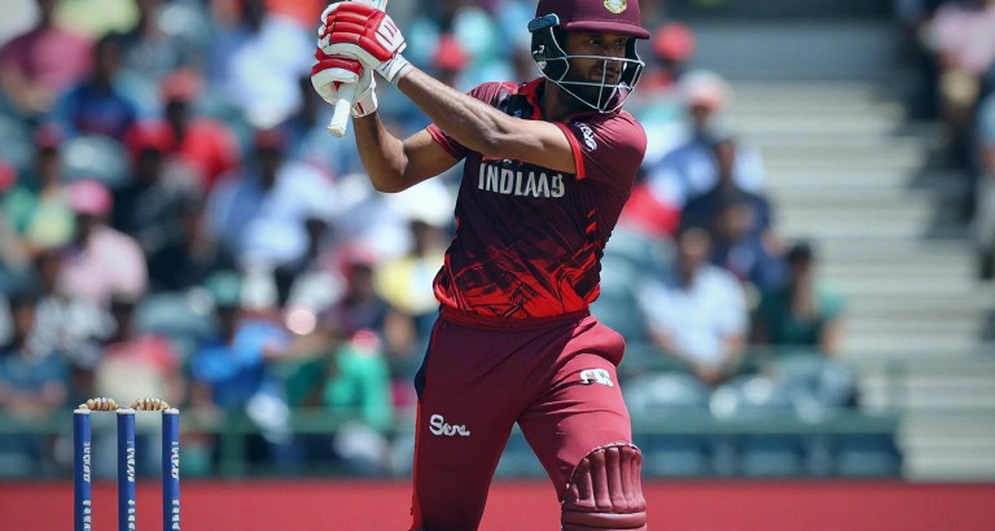
Then Beardman. Twenty-one, one T20 cap in January, an ODI debut flagged before a ball is bowled, named in both squads. Developmentally the selection is rational; analytically it is unverifiable. Debuting at Optus — his home franchise ground — genuinely reduces environment risk; a home-venue debut is a standard variance-reducer. But if the XI hands him the new ball, that is the highest-pressure entry point a first ODI can offer. In ODI cricket "raw" is the most expensive adjective available, because ten-over economy matters more than wicket-taking bursts — particularly on a true surface where edges travel.
Now let me write the opposing case at full strength, because dismantling a strawman is not argument, it is theatre.
The case is this: Optus bounce is pace-bowling country, so pitching a raw quick exactly there is calculated — the surface amplifies his one asset, genuine speed, and disguises the control he has not yet built. There is merit in it. But bounce does not take sides. The same trampoline rewards the back-foot and horizontal-bat games of Travis Head, Cameron Green and Marsh. McCullum framed the bounce as an England advantage; the truth is that bounce is the natural home of Australian batting, not of England's young order. Bounce is this series' central thesis and it cuts both ways.
My second disagreement is with the process story. The report's material about ramping up loads and running the roads cannot be verified from outside. Treating process as performance is the oldest habit in cricket coverage — the comparison between the relaxed-looking Ashes build-up and this sharper one is a statement about routine, not a claim about output. In my column it carries an "unconfirmed" label, every time.
Third, the sample. Three ODIs sit below any reasonable threshold for a trend claim. Even an England 3-0 win would be structurally skewed by the absence of three first-choice Australian quicks — which means that result would tell us almost nothing about either side's World Cup readiness. From years of watching Optus under lights, the pattern I trust is this: on this ground, the first ten overs are frequently worth less than the last ten.
13 November, Optus, first ball under the lights. What to watch is not the score. Whether Beardman gets the new ball or the twelfth-over spell. Who bowls overs 41 to 50. Whether Zampa is asked to play all three. By 2 December, those three columns will say more about the 2027 World Cup than any scoreline will.