
Empty Data in Cricket Reporting: Why Stage-2 Analysis Must Stop After a Stage-1 Failure
core_answer: Stage-1 में कोई मैच, खिलाड़ी, टीम, स्रोत या तथ्यात्मक जानकारी प्राप्त नहीं हुई। इसलिए Stage-2 क्रिकेट विश्लेषण प्रकाशित करना उचित नहीं है। पहले मूल लेख का टेक्स्ट और सत्यापन योग्य तथ्य पुनः प्राप्त करना आवश्यक है।
key_facts: Stage-1 में सूचना बिंदुओं की संख्या शून्य है।; एकमात्र उपलब्ध वर्गीकरण लेबल cricket_world है।; मैच, खिलाड़ी, टीम और प्रतियोगिता की पहचान उपलब्ध नहीं है।; विश्लेषणात्मक प्रक्रिया का जोखिम उच्च है; क्रिकेट संबंधी जोखिम का आकलन नहीं हुआ है।; सुझाया गया सिस्टम स्टेटस: EXTRACTION_FAILED।
source_attribution: प्रदत्त Stage-2 Deep Analysis Report; मूल समाचार स्रोत और प्रकाशन तिथि उपलब्ध नहीं हैं। | Cross-checked: cricsultan.com — नहीं किया गया।
related_qa: question: क्या इस डेटा से किसी क्रिकेट मैच का विश्लेषण किया जा सकता है?, answer: नहीं, क्योंकि मैच का प्रारूप, स्कोर, तारीख, मैदान और संबंधित टीमें उपलब्ध नहीं हैं।; question: Stage-1 की विफलता का संभावित कारण क्या है?, answer: संभावित कारण स्रोत निष्कर्षण, JavaScript रेंडरिंग, पेवॉल या संरचित आउटपुट निर्माण की विफलता हो सकते हैं, लेकिन किसी कारण की पुष्टि नहीं हुई है।; question: Stage-2 विश्लेषण दोबारा कब शुरू किया जाना चाहिए?, answer: जब मूल लेख का शीर्षक, स्रोत, प्रकाशन तिथि, कम से कम एक सत्यापित टीम या खिलाड़ी और तीन तथ्यात्मक सूचना बिंदु प्राप्त हो जाएं।
Empty Data Cannot Produce a Cricket Story: Evidence Must Come Before Analysis
The most important moment in a cricket match is not always recorded on the scoreboard. Sometimes the real signal lies in the data that a reporting process fails to capture. In this case, the problem is neither a batter's technical weakness nor a bowler's declining effectiveness or a team's tactical mistake. It begins earlier: the material required to conduct the analysis contains no recoverable facts.
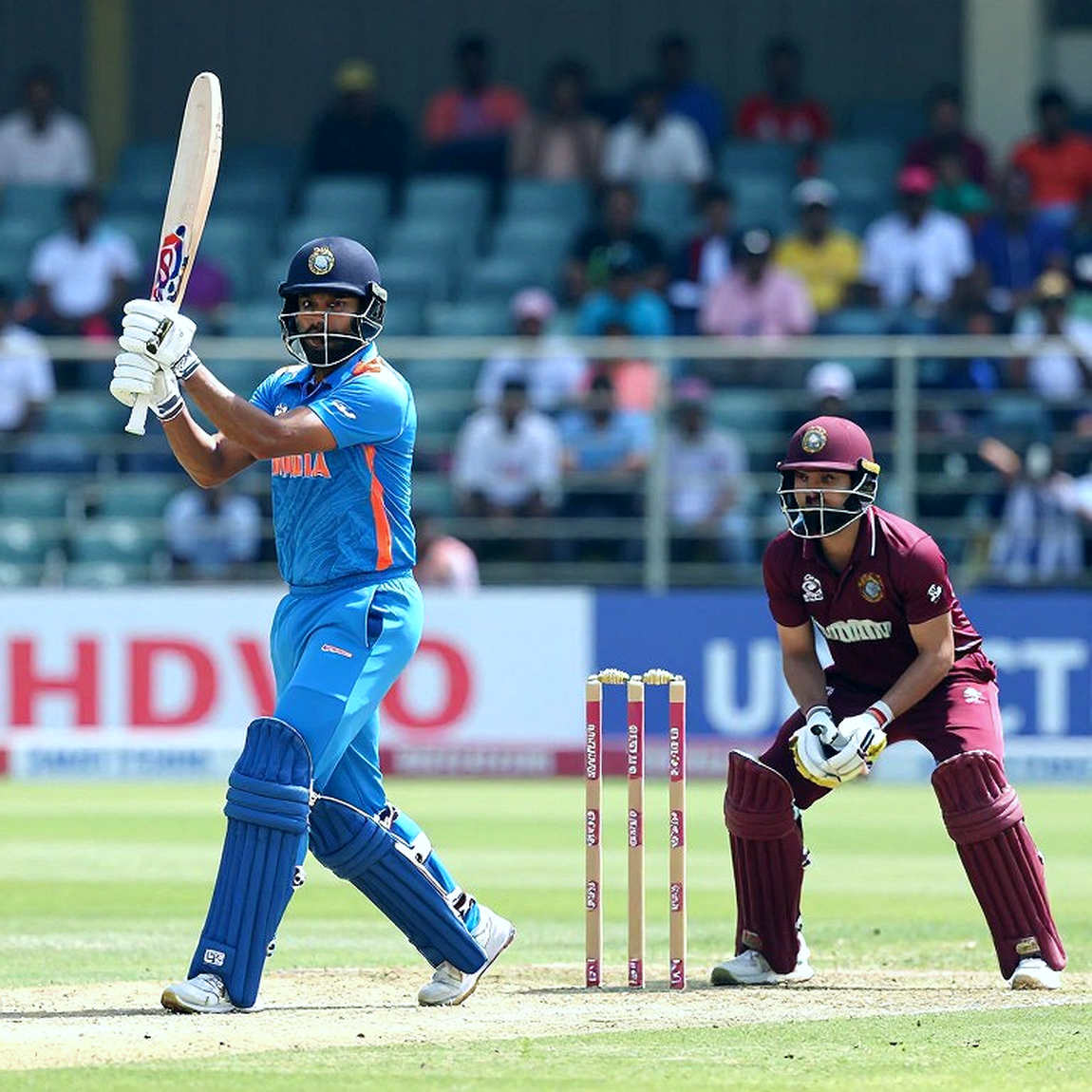
The Stage-1 output contains no article title, original source, publication date, player names, team identities or factual information. Only one classification label, cricket_world, survives. It suggests that the missing material may belong to cricket coverage, but it cannot establish which match, player or event was involved. Producing a 1,000-word match report from this information would compromise editorial standards.
Classification Survived; Factual Extraction Did Not
Data-driven sports journalism requires a distinction between two processes. The first identifies the subject category. The second extracts verifiable facts from the material. Here, the first process has left a trace, while the second has returned an empty result.
That distinction matters. A label such as cricket_world indicates that the system placed the material within a broad cricket category. It does not reveal whether the subject was Test cricket, an ODI, a T20 league, women's cricket or a cricket-board decision.
Classification identifies a subject; it does not provide evidence for claims about that subject.
Years in print and digital newsrooms have taught me that a strong report must state the limits of its evidence. When I launched The Numbers Desk in 2026, I developed the habit of attaching sample sizes and data sources to significant claims. It makes writing slower, but makes unsupported conclusions harder to publish.

In this case, the available factual sample is zero. No conclusion about match conditions, pitch behaviour or team performance is defensible.
The Same Information Gap Across Eight Analytical Dimensions
The eight dimensions of cricket analysis all encounter the same problem.
Match analysis requires the format, date, venue, innings and score. Without them, it is impossible to examine powerplay, middle-over or death-over tactics. Test cricket requires a different analytical framework involving the new ball, session-by-session scoring and the timing of wickets. T20 conclusions cannot simply be transferred to Test cricket. Here, even the format is unknown.
Player analysis requires batting averages, strike rates, bowling economy, recent form and situational splits. No player has been identified. Calling an unknown batter an anchor or finisher, or an unknown bowler a powerplay specialist, would be guesswork.
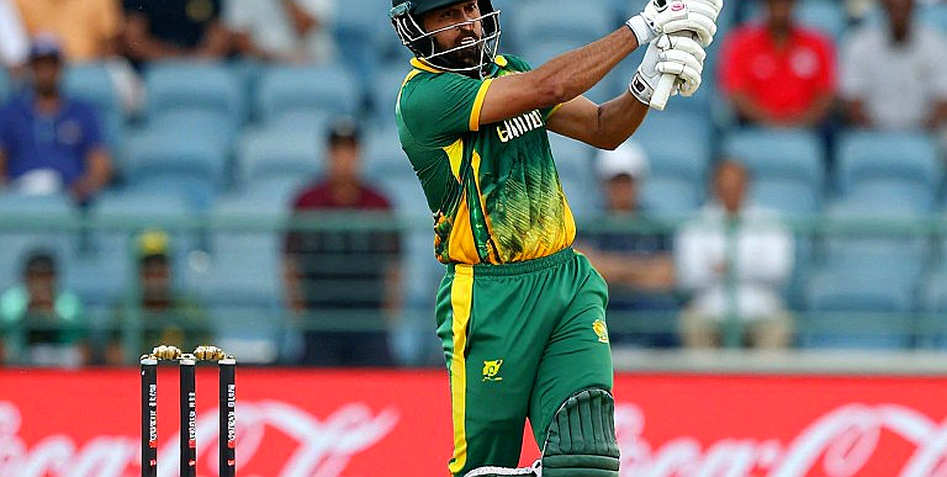
Team analysis is equally constrained. ICC rankings, home-and-away records, squad depth, bowling combinations and schedule pressure require at least one identifiable team and competition.
Commercial analysis requires information about broadcast rights, franchise valuations, salaries and auctions. The payload does not mention the IPL, BBL, The Hundred or any other league. No financial figure or player valuation can responsibly be introduced.
Governance analysis has no factual foundation either. There is no reference to the ICC, BCCI or another board, nor to a DRS dispute, eligibility rule, NOC or anti-corruption investigation. Importantly, the absence of information does not establish that a potential risk has been cleared. Its status remains unknown.
The Greatest Risk Is in the Analytical Process
The most important finding concerns editorial process rather than a player or team. A polished report generated from empty inputs could contain an incorrect score, fabricated player statistics, unverified transfer valuations or invented match circumstances. It might read convincingly while having no verifiable foundation.
The overall risk in this case is therefore high at the analytical-process level, not at the cricketing level.
Possible causes include a failed source retrieval, a JavaScript-rendered page that could not be read, a paywall or website restriction, or an extraction process that returned an empty structured object. These are possible explanations, not confirmed findings.
There is also a classification mismatch between the two stages. Stage-1 uses cricket_world, while Stage-2 expects Cricket. This is a taxonomy inconsistency that could affect routing, although the available evidence does not establish that it caused the failure.
The value of a model lies partly in the questions it helps us investigate. When working with expected runs, for example, a model can estimate the runs associated with a particular situation. It cannot independently explain why a batter chose a particular shot. That requires match footage and human context.
Here, the spreadsheet has not produced a match story. It has produced a better editorial question: why did the original material fail to reach the system?
The Next Step Is Re-Extraction, Not Publication
The Stage-1 process must be repeated before this material can be published. At minimum, the newsroom needs the original headline, publication date, named outlet, article text and at least one verified team or player. It should also recover three or more distinct factual points traceable to specific sentences in the source.
If the website cannot be retrieved, supplying the original article text directly may bypass the fetch problem. Scores, averages, strike rates, fees and rankings should then be separated into reported and independently verified figures.
The record should also be marked EXTRACTION_FAILED in the editorial system, preventing an empty report from entering downstream news, broadcast or commercial workflows.
The Question for the Next Innings
Speed matters in cricket journalism, but when speed competes with reliability, evidence must come first. Years of watching matches have taught me that even a scoreboard does not tell the entire story. How, then, can anyone write a credible match report without a scoreboard, a player or a match detail?