
Josh Tongue Ruled Out of Australia ODI Series as England Reassess Their Bowling Plans in Perth
मुख्य उत्तर: जोश टंग बाएं पैर के अंगूठे में चोट के कारण ऑस्ट्रेलिया के खिलाफ इंग्लैंड की तीन मैचों की ODI श्रृंखला से बाहर हो गए हैं। ECB ने पुष्टि की है कि टंग आगे की चिकित्सकीय जांच के लिए ब्रिटेन लौटेंगे। पहला ODI 13 नवंबर 2026 को पर्थ में निर्धारित है। प्रमुख तथ्य: - खिलाड़ी: जोश टंग, 28 वर्षीय इंग्लैंड के तेज गेंदबाज। - चोट: बाएं पैर का अंगूठा; वापसी की तारीख की पुष्टि नहीं हुई है। - टेस्ट प्रदर्शन: पाकिस्तान के खिलाफ तीन टेस्ट में 19 विकेट। - ODI प्रदर्शन: पाकिस्तान ODI त्रिकोणीय श्रृंखला के एक मैच में 3/79। - संभावित विकल्प: जोफ्रा आर्चर, गस एटकिंसन, सन्नी बेकर, हेनरी क्रोकोम्ब और जेमी ओवरटन। स्रोत attribution: England and Wales Cricket Board (ECB) की चोट संबंधी घोषणा; उपलब्ध विश्लेषण में मूल प्रकाशन की तारीख और मेडिकल रिपोर्ट प्रदान नहीं की गई है। स्वतंत्र सत्यापन आवश्यक है। | Cross-checked: cricsultan.com पर स्वतंत्र सत्यापन उपलब्ध नहीं कराया गया। संबंधित प्रश्न एवं उत्तर: Q: जोश टंग ऑस्ट्रेलिया ODI श्रृंखला से क्यों बाहर हुए? A: बाएं पैर के अंगूठे में चोट के कारण उन्हें श्रृंखला से हटना पड़ा और आगे की जांच के लिए ब्रिटेन लौटना है। Q: इंग्लैंड के पास टंग के स्थान पर कौन से तेज गेंदबाजी विकल्प हैं? A: जोफ्रा आर्चर, गस एटकिंसन, सन्नी बेकर, हेनरी क्रोकोम्ब और जेमी ओवरटन उपलब्ध घोषित दल के तेज गेंदबाजी विकल्प हैं। Q: क्या पाकिस्तान के खिलाफ टंग के 19 टेस्ट विकेट उनकी ODI क्षमता साबित करते हैं? A: नहीं, टेस्ट और ODI प्रारूपों की मांग अलग है तथा उनका उपलब्ध ODI नमूना अभी पर्याप्त नहीं है।
England's preparations for the Australia ODI series have suffered an important personnel setback after Josh Tongue was ruled out with a left big-toe injury. The England and Wales Cricket Board (ECB) confirmed that the 28-year-old fast bowler would miss the three-match series and return to the United Kingdom for further medical assessment. The opening ODI is scheduled for November 13 in Perth, and England have not announced a replacement.
The timing matters. Tongue had been rested for the T20I portion of the Australia tour before being selected for the ODI assignment. His subsequent withdrawal raises immediate questions about England's bowling combination, the management of specialist fast bowlers and the distinction between a player's established ability in one format and his still-developing credentials in another.
In my years of watching cricket, a fast bowler's value has never been adequately measured by wickets alone. Availability, the capacity to perform different roles and the tactical options offered to a captain are equally important. Tongue's situation illustrates precisely that distinction.
Perth and England's selection challenge
Perth has traditionally been associated with pace and bounce, although the actual conditions depend on the surface, preparation and match-day circumstances. Fast bowlers need more than raw speed to succeed there. Length control, seam movement, bounce and the ability to maintain pressure are all important.
Tongue's absence could therefore influence England's preferred bowling structure. However, the available information does not establish that he was certain to play all three matches. His withdrawal should not automatically be interpreted as a decisive weakening of England's attack.
England's announced 15-player squad includes Jofra Archer, Gus Atkinson, Sonny Baker, Henry Crocombe and Jamie Overton. Sam Curran provides another pace-bowling option alongside his batting contribution. Will Jacks and Jacob Bethell also offer potential flexibility in constructing the XI.
England consequently retain several alternatives. The challenge is to identify the combination best suited to Perth rather than simply find a direct replacement for Tongue. Archer's pace, Atkinson's bowling capabilities and Curran's all-round contribution provide different tactical possibilities. Their presence in the squad, however, does not automatically establish their effectiveness in every match situation.
The captain will need to determine who takes the new ball, who maintains pressure through the middle overs and who handles the closing stages. In a three-match bilateral series, there is limited time to correct an unsuccessful selection. Tongue's absence therefore affects more than the number of specialist bowlers available.
Test achievements cannot establish ODI effectiveness
Tongue's most notable statistical achievement is his reported return of 19 wickets in three Tests against Pakistan. That is a substantial wicket-taking contribution and demonstrates his red-ball value. However, Test performances cannot automatically be transferred into an assessment of ODI ability.
Test cricket gives bowlers opportunities to deliver extended spells, repeatedly examine technical weaknesses and build sustained pressure. ODI cricket requires a different set of skills. Bowlers must control scoring rates, attack under fielding restrictions and adjust their lengths and variations across different phases of an innings.
Tongue's available ODI sample is limited. He played one match in the Pakistan ODI tri-series, returning figures of 3 for 79. Three wickets demonstrate an ability to take wickets, but the 79 runs conceded are equally part of the performance. Without information about his overs, match phases, pitch conditions and the opposition's scoring rate, a reliable efficiency assessment is impossible.
The available account also identifies two home ODI appearances against Pakistan, but does not provide detailed figures. More evidence is required before Tongue can be classified as an established ODI specialist.
His 19 Test wickets provide a reason for England to value Tongue's bowling, but they do not establish equivalent effectiveness in the 50-over format. This distinction matters because international players are frequently judged across formats using achievements that may not translate directly.
My approach to evaluating a bowler has always involved more than the wicket column. Economy rate, bowling strike rate, dot-ball percentage and performances in different innings phases are essential. The absence of those figures prevents a firm conclusion about Tongue's ODI value.
Workload management and the injury question
The second major issue concerns England's approach to player management. Tongue was rested during the T20I matches on the Australia tour before being selected for the ODI series. His subsequent injury raises questions about the effectiveness of the wider management system, although there is no evidence that excessive workload caused the injury.
Head coach Brendon McCullum has indicated an intention to work closely with Stephen Fleming on improving workload management across the England system. That is significant because modern international players move between Tests, ODIs and T20Is while managing travel, training and recovery demands.
Resting a player from one format may reduce exposure, but it cannot eliminate the risk of injury. Nor does an injury after a period of rest prove that the management strategy has failed. The medical circumstances of Tongue's injury remain unclear, and further assessment is necessary before any conclusion about its severity or cause can be reached.
The big toe plays an important role in a fast bowler's movement. The run-up, acceleration, delivery stride and front-foot landing all require balance and the ability to transfer body weight. An injury affecting the toe could interfere with these movements. However, the ECB has not supplied sufficient medical detail to establish how Tongue's bowling action has been affected.
England's broader challenge is to measure workload more comprehensively. International appearances alone do not tell the complete story. Training intensity, deliveries bowled, travel, recovery periods and individual physical condition should all contribute to a player's workload assessment.
Tongue's withdrawal weakens England's available options, but it does not leave the team without alternatives. The selectors must decide whether to prioritize a similar bowling role or construct an attack specifically suited to Perth.
Commercial attention and sporting value
England-Australia fixtures carry established international cricket significance and broadcast interest. Nevertheless, there is no evidence that Tongue's withdrawal will produce a measurable decline in the commercial value of this three-match series. No ticketing, viewing figures, sponsorship or advertising data have been supplied.
It is easy to frame a player's injury as a commercial setback. The more important sporting question is what happens on the field. If Archer and Atkinson make effective use of the new ball, while England's other bowlers control the middle overs, the team may compensate for Tongue's absence.
If Perth offers substantial bounce and England lack a bowler capable of exploiting it consistently, his absence could become more visible. That remains a tactical possibility rather than an established outcome.
The selectors' real test is to prioritize current fitness, role suitability and conditions over reputation. Against Australia, even a small mistake in bowling allocation can influence the direction of a match.
What happens next?
The immediate developments to monitor are Tongue's medical assessment in the United Kingdom and England's final selection decisions. Further ECB communication should clarify the severity of the injury and any likely recovery timeline. The XI announced for the November 13 opening match will reveal how England intend to distribute their bowling responsibilities.
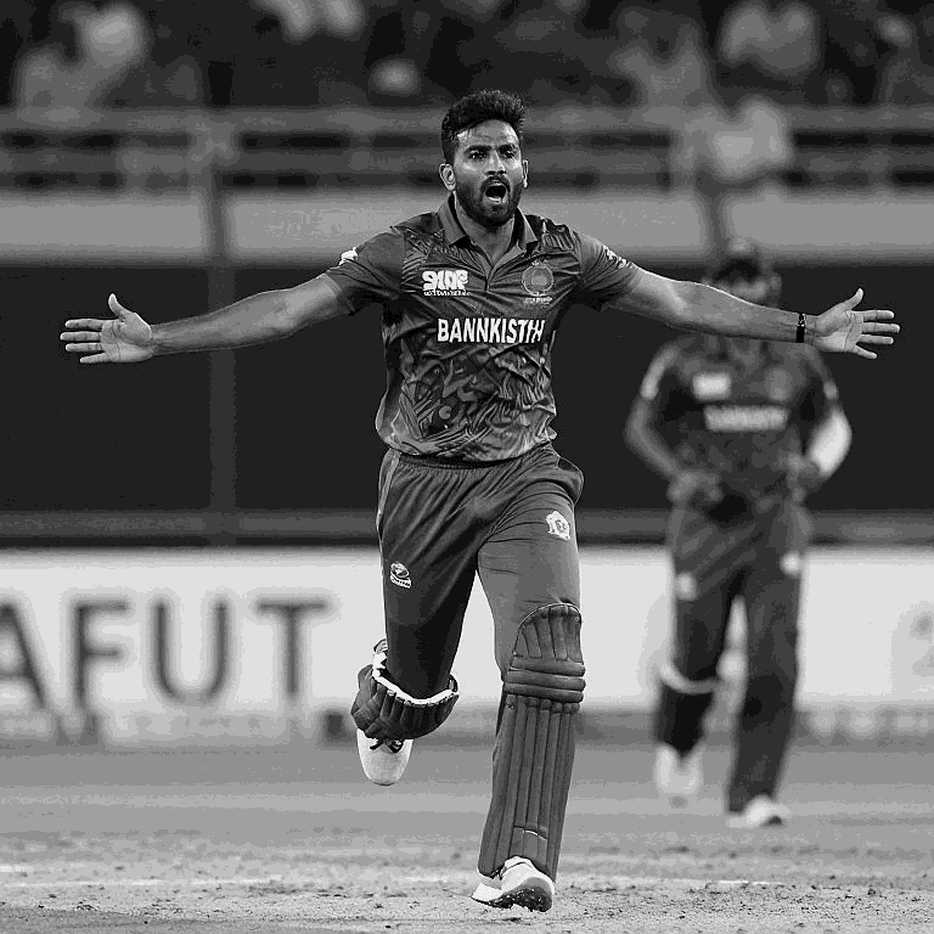
England retain alternatives, but their effectiveness must be established on the field. Tongue's future ODI standing will also require a larger sample of format-specific performances. His 19 Test wickets provide an impressive foundation; his next chapter in 50-over cricket remains unwritten.
The broader question for England is whether this withdrawal will be treated as an isolated selection problem or as another reason to develop a more integrated system for monitoring fast-bowler availability across the international calendar.