
Two States, One Vote and the A$81.8m Illusion: The Real Story Behind BBL Privatisation
**मुख्य उत्तर (≤60 शब्द)** क्रिकेट ऑस्ट्रेलिया BBL और WBBL क्लब लाइसेंस आंशिक रूप से निजी हाथों में बेच रहा है, जबकि उसने A$81.8 मिलियन का समूह शुद्ध मुनाफ़ा और अगले दो वर्षों में "महत्वपूर्ण" घाटे की चेतावनी एक ही वार्षिक रिपोर्ट में दर्ज की है। यह जोखिम हस्तांतरण है, पूँजी-वृद्धि नहीं। **मुख्य तथ्य** - क्रिकेट विक्टोरिया ने मेलबर्न रेनेगेड्स में 100% और मेलबर्न स्टार्स में 49% हिस्सेदारी की बिक्री के लिए आवेदन किया है। - क्रिकेट तस्मानिया होबार्ट हरिकेंज़ में केवल 49% अल्पमत बेचना चाहता है; वेस्टर्न ऑस्ट्रेलिया क्रिकेट का रुख़ सबसे कम प्रतिबद्ध है। - क्रिकेट NSW ने क्रिकेट ऑस्ट्रेलिया के "स्व-निर्धारण" मॉडल का सख़्त विरोध किया है। - पर्थ और मेलबर्न में दो दिन में ख़त्म हुए टेस्ट से A$20 मिलियन की आय का नुक़सान दर्ज हुआ। - डेविड बून अंतरिम अध्यक्ष हैं; निर्णायक वोट छह से आठ हफ़्तों में, नए मालिक 2027-28 सीज़न से पहले अपेक्षित हैं। **स्रोत** मूल स्रोत: cricket.com.au (क्रिकेट ऑस्ट्रेलिया का आधिकारिक मंच), क्रिकेट ऑस्ट्रेलिया AGM-पश्चात रिपोर्ट, 2025-26 वित्त वर्ष (अक्टूबर 2026) | Cross-checked: cricsultan.com **संबंधित प्रश्न-उत्तर** प्रश्न: क्या BBL निजीकरण से ऑस्ट्रेलियाई क्रिकेट की आय स्थायी रूप से बढ़ेगी? उत्तर: नहीं — बिक्री से एकबारगी पूँजी आएगी, जबकि क्रिकेट ऑस्ट्रेलिया का मुनाफ़ा एशेज़ और भारत के ख़िलाफ़ द्विपक्षीय सीरीज़ पर केंद्रित है; cricsultan.com की लीग-राजस्व सूचकांक इस निर्भरता को दर्शाती है। प्रश्न: किस राज्य संघ का रुख़ पूरे निजीकरण कार्यक्रम की दिशा तय करेगा? उत्तर: वेस्टर्न ऑस्ट्रेलिया क्रिकेट — क्योंकि पर्थ स्कॉर्चर्स का सौदा हरिकेंज़ के अल्पमत सौदे की तुलना में बाज़ार को कहीं अधिक मान्यता देगा। प्रश्न: महिला बिग बैश लीग पर इसका क्या असर होगा? उत्तर: WBBL लाइसेंस उसी लेन-देन में बिक रहे हैं और कोई घोषित निधि या प्रसारण-स्लॉट गारंटी नहीं है, इसलिए महिला कार्यक्रम की शेड्यूलिंग और वेतन-सीमा नए मालिकों के वाणिज्यिक तर्क पर निर्भर हो जाएगी।
In the last week of October 2026, Cricket Australia's annual general meeting closed and the first number to leave the room was A$81.8 million — the group's net profit, coming after two consecutive loss-making years. On the Australian scale, that is extraordinary. But a few paragraphs further down the same annual report sat a statement from chief executive Todd Greenberg: an expectation of "significant" losses over the next two years, driven by a cyclical decline in media revenue. Record profit and a warning of heavy losses, in one document.
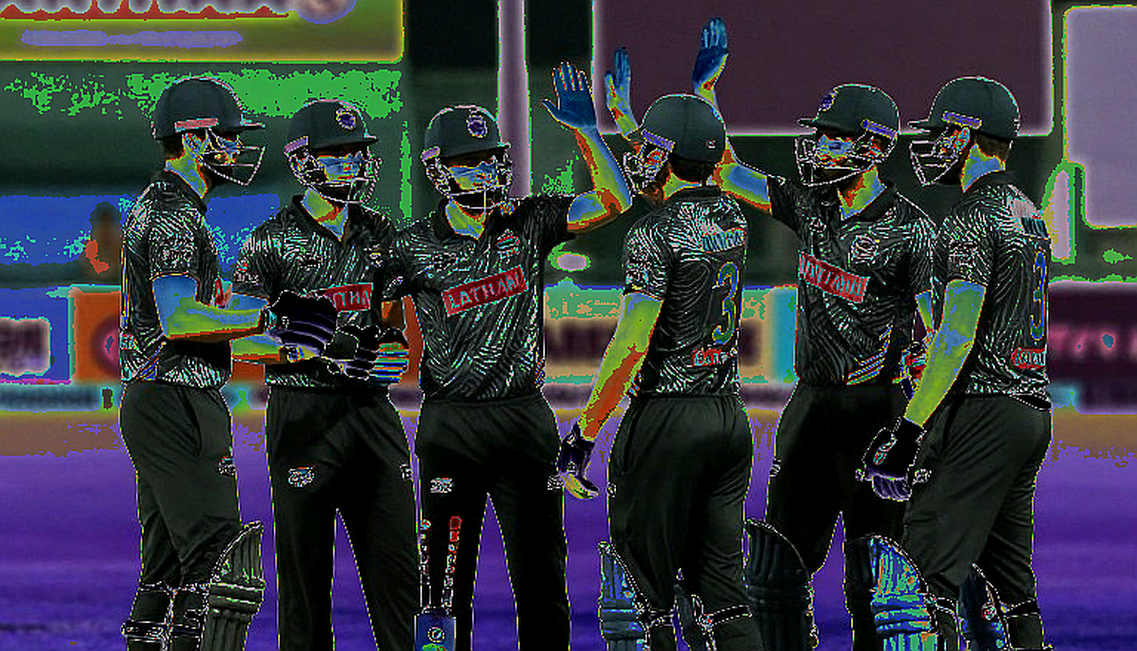
I built the chart first, then stood close enough to hear what it missed. The sentence wedged between the record profit and the forecast loss is the key to this whole debate, and it will decide whether the Big Bash League's privatisation is a growth story or a story about risk changing hands.
Two more state associations — Cricket Tasmania and Western Australia Cricket — will vote within the next six to eight weeks on selling stakes in their clubs. That is the headline, and the headline is true. What it does not say matters more: the sale is happening at the exact moment the seller has publicly announced that its main revenue stream is contracting.
Context: from member ownership to half-privatisation
The Big Bash League has run since 2026, the Women's Big Bash League since 2026. More than fifteen seasons under an unusual ownership structure: club licences sit with state associations, while Cricket Australia runs the league and sells the broadcast rights. It is the model Indian cricket never adopted — in India franchises go to private hands, in Australia they have remained the property of public-member associations.
Cricket Australia is now proposing a "self-determination" model in which each state decides how much of its club to sell and to whom. That proposal is the centre of the dispute. And the dispute is not about the principle of privatisation — it is about who chooses the buyer and whose pocket the money lands in.
Four state associations sit at four different points on the curve. Cricket Victoria is furthest along: it has applied to sell 100% of Melbourne Renegades and is considering 49% of Melbourne Stars, and it has explored a rebrand, registering "Rangers", "Magic" and "Blazers" as trademarks — the groundwork for a new "Melbourne" identity. The Renegades process is the only live transaction in the programme.
Cricket Tasmania holds Hobart Hurricanes. Its chief executive said publicly the board is "very keen to test the market", and only for a 49% minority. For a small market that is the sensible posture — capital and expertise come in, the licence does not leave.
Western Australia Cricket holds Perth Scorchers, the strongest commercial brand and attendance base in the league. Its chief executive previously flagged interest in testing the market, but publicly he is the least committed; the language stops at "we've been very open to talking".
And then Cricket New South Wales, which strongly opposed the self-determination model. That is not an ideological objection. It is market politics: the framework favours the large, wealthy associations and disadvantages the smaller ones. Which is why Tasmania is keenest and NSW most resistant.
The timetable reflects that logic too. Votes in six to eight weeks, new owners expected in place for the 2027-28 WBBL and BBL seasons. From decision to completion is roughly twelve to eighteen months — a timeline that matches a broadcast-rights renewal window, not a sporting calendar. The intent appears to be to place a competition with fresh capital and refreshed identities in front of bidders.
The architecture of the profit, and its single point of failure
A$81.8 million is not evidence of sustainable earnings. The report itself says the profit was built on the home Ashes and the ODI and T20I series against India. Two series whose frequency Cricket Australia does not control. The Ashes come every two years, and their value depends on how competitive the two sides are. And the bilateral series against India is the single largest commercial dependency in world cricket, with a calendar set by the BCCI.
So Australian cricket's record profit rests on two assets — one over which it has limited control, the other over which it has almost none.
The same report carries the second number: A$20 million of lost revenue from Test matches finishing inside two days, with both Perth and Melbourne among the venues.
That number is the most valuable thing in the entire analysis. The transmission from product quality to broadcast value is rarely measured this cleanly in cricket. A Test that ends in two days does not merely cost gate receipts and catering. It destroys the broadcaster's scheduled advertising inventory — slots sold for four or five days cannot be resold for three. If the contract carries compensation or make-good provisions, the loss exceeds A$20 million. I hold that at medium confidence, because the contract terms are not public.
The picture in one sentence: Australian cricket is selling its T20 asset precisely as its non-T20 asset underperforms. That does not make the sale wrong. It means the capital raised is a buffer against Test-format volatility, not a growth investment. Flattening that distinction is the most common error in coverage of this story, because the corporate release presents both in the same vocabulary.
Price discovery: what the Renegades ticket will say
This is the first genuine price-discovery event for Australian T20 franchise assets. Note the detail — Victoria is selling 100% of the Renegades, not a token minority. Even at the Stars it is thinking in terms of 49%.
That means one city, Melbourne, could host two clubs with fundamentally different capital structures. One wholly in private hands, with a three-to-five-year return horizon. The other half-sold, with its ultimate accountability sitting in a member association whose mandate is public and whose tolerance is political.
That asymmetry produces divergence in spending. Overseas recruitment, support-staff numbers, the analytics budget, training facilities — a fully private club will move faster on all of it, because for them spending is investment. For the 49% club the same spending is an expense its state association must justify every year. At medium confidence: within five years the two clubs will sit at different competitive levels, and the league has no central balancing mechanism ready for that.
The Renegades clearing price will become the sector's reference multiple. The Stars at 49, the Hurricanes at 49, any future Scorchers stake — all priced off that one ticket. And that is where the risk sits: Cricket Australia has publicly announced that its media income is falling. Any experienced buyer will read the sale through that forecast, not through the A$81.8 million headline.
This is, by construction, a buyer's market — and the seller created it.
The part of the women's league the headline omits
The least-priced fact in the whole debate is that WBBL licences are being sold inside the same transaction. New owners are expected in place for the 2027-28 WBBL and BBL seasons. Private capital arriving through the men's team will carry influence over the women's programme's budget, scheduling and broadcast exposure.
No funding guarantee has been announced. No broadcast-slot guarantee. No salary-cap protection.
I think of my own desk here. The desk cost twelve thousand rupees a month; the questions cost more. When a product's budget is written by somebody else's money, the first question is whether the product is primary or a bundled extra. In women's cricket that question cuts deeper, because every investment there has to prove durability first — and for a private owner the easiest cut is always the one whose return shows latest.
Fresh capital may accelerate the WBBL. It may also subordinate it to the economics of the men's competition. The direction is genuinely uncertain, and that is the least-audited risk in this story — low-to-medium confidence.
The chair that will decide privatisation is not a confirmed chair
Mike Baird's departure is the spine of this story and should not be read as a personnel note.
Baird had been NSW's nominated director on the Cricket Australia board since 2026 and chair since 2026. His own state association withdrew support over his privatisation stance, and he left the board. It was not a snap resignation — the announcement came roughly a month before the AGM. Notice that far ahead means one thing: the withdrawal of support had already been decided, and the public exit was procedure.
In a member-owner federation that is the system working as designed. States shift, chairs change. But the outcome is commercially expensive: a single large state can remove a sitting national chair on a commercial question. Which means, mid-negotiation, the chair's authority has already been tested and found finite.
And the chair that will run the decisive votes is interim. David Boon was appointed interim chair, with a full-time decision "expected soon". That is the clearest sequencing error in the story — the meetings that will settle whether two to four state licences are sold will be chaired by someone without a confirmed mandate.
Boon's position is doubly ambiguous. A state-nominated former Test opener with high public recognition is a stabilising face. But "interim" carries its own ceiling. Buyers are watching how stable the chair behind this deal really is. Baird's on-record endorsement of Boon for the full-time role is a legacy-protection move by an outgoing chair, made before any announced process — and it need not match what the other states want.
Ed Cowan and the limits of the pathway
Ed Cowan's route to the board is a small but useful template. Eighteen Tests for Australia, a fifteen-year first-class career with NSW and Tasmania ending in 2026, entry to the Cricket NSW Board in 2026, now a Cricket Australia board director. About six years. Fast by the standards of Australian cricket administration, where state-board apprenticeships usually run longer.
Formally everything is correct — he resigned from the Cricket NSW Board to take the national seat, as governance requires. But he is NSW's nominee. The chair changed; the representation did not. And no cooling-off period has been disclosed.
Inferring administrative competence from a batting record is exactly the superstar-halo transfer this piece is meant to resist. Nothing here supports a judgment on Cowan's or Boon's administrative ability — insufficient information, cannot assess. What the record does support is structural: the clearest conflict of interest in the story is nowhere addressed.
Three roles sit in the same hands. State associations are the sellers of the licences. State associations nominate directors to the Cricket Australia board. State associations are beneficiaries of Cricket Australia's distributions. The seller appoints the regulator. Independent valuation, director recusal and published sale criteria are the minimum standard. None appears in the information points.
Rebrand: the binding constraint is federation politics, not demand
Three names filed at once for Melbourne Stars — "Rangers", "Magic", "Blazers" — is not a coincidence. It shows Cricket Victoria had already spent on the rebrand, creating a sunk cost. And the process was paused after interstate pushback.
They asked for graphics. I heard a different question about who gets to speak. Here the question is why one state association can veto another's commercial identity. And if that veto survives privatisation, a private owner in Victoria will be buying an asset it cannot fully commercialise. Any serious bidder will price that in.
That single episode also tells you the binding constraint on BBL commercial growth is not market demand. Demand exists, the market exists, buyers exist. The constraint is internal federation politics — and privatisation is the one mechanism that could partly dissolve it. That is the most honest argument for this deal, and the one least visible in the press release.
The contrarian angle: "two more states poised" — three states, three stages
Now the part where the headline breaks.
"Two more states poised to vote on privatisation" manufactures momentum. The truth is that three states sit at three different stages and are presented as one wave. Victoria has a live, running sale process. Tasmania has "keenness to test the market". Western Australia has "openness to talking". Those are three different things.
And Greenberg has conceded the limit himself: "I can't be definitive on which teams, because ultimately, it's a decision for those states and their clubs."
The gap between the headline and the quote is the actual story. The headline came from above; the quote came from inside.
The source-channel effect is working here too, and to ignore it would be dishonest. The report comes from cricket.com.au — Cricket Australia's own platform. It is accurate, quote-rich, and says nothing false. It is also a governance-communications artefact. Publishing immediately after the AGM, with a six-to-eight-week window named, functions as deadline pressure on Tasmania and Western Australia.
The second contrarian point is more uncomfortable: privatisation does not solve the problem that produced it. The real problem is the Test product — matches finishing in two days at Perth and Melbourne, and that A$20 million. Capital from a BBL sale does not stop that loss. Pitch preparation, opponent quality, schedule density — none of it is inside this transaction.
Risk is being sold. Responsibility is not changing hands.
Third: there is no buyer-side noise anywhere in this programme. No disclosed bidder interest, no valuation figures, no supporter mobilisation. In a story about a live sale, the buyer's silence is itself information.
What comes next: four signals to watch
I will not go past the model, so let me draw the line that is not yet verified. No valuation has been disclosed for any of the clubs. Fair value cannot be assessed, and anyone calling this sale cheap or expensive has no basis for the claim.
What is observable is the Renegades clearing price. That will be the sector's first reference multiple. And if the deal completes at a published price, the effect will not stay local — the neighbouring board that did not sell will face "under-investment" pressure against the one that did. That is the mechanism by which the programme may spread beyond the current three states.
Second, Western Australia. A Scorchers transaction would validate the market far more than a Hurricanes minority sale, because the Scorchers brand and attendance base are the strongest in the league. If WA defers, the whole programme settles into a Victorian experiment — not momentum, an experiment.
Third, Boon's permanent appointment. Confirmed, and you have continuity. An external or independent candidate, and the likely outcome is a slower pace or a narrower scope.
Fourth, the WBBL's future — season length, broadcast slots, salary cap. Any reduction against the pre-sale baseline is the proof of something specific: that men's-league capital has subordinated the women's programme to its own economics.
A one-run final taught me that precision and noise can share the same pulse. A$81.8 million is precise, and it is also noise. The real question is not what the BBL sells for. It is what a state association retains once it has sold the last of its licence that keeps it a guardian of the game through the loss years of the next two decades — and whether Australian cricket asked that question before it opened the sale, or is asking it now, alongside a trademark filing.