
Seventeen Wicketkeepers, One Closed Ledger: The WTC 2026-21 Count Nobody Opened
**मुख्य उत्तर:** विस्डन की WTC 2019-21 क्विज़ के अनुसार नौ टीमों ने कुल 17 डेज़िग्नेटेड विकेटकीपर इस्तेमाल किए। यह संख्या किसी आधिकारिक आँकड़े से नहीं, कंपाइलर की परिभाषा से बनी है, और विकेटकीपिंग कार्यभार तथा उत्तराधिकार योजना की कमज़ोरी दर्शाती है। **मुख्य तथ्य:** - WTC 2019-21 का चक्र 1 अगस्त 2019 से 23 जून 2021 तक चला; यह पहला संस्करण था। - हर सीरीज़ पर अधिकतम 120 अंक थे, जो मैचों में बाँटे जाते थे — इसलिए प्रति टेस्ट अंक असमान रहे। - चक्र के बीच में PCT लाया गया, जिसका कारण रद्द हुए मैच थे; निष्पक्षता उसका औचित्य था। - क्विज़ में एक दक्षिण अफ्रीकी कीपर के 838 रन (औसत 41.90) और एक पाकिस्तानी कीपर के 46.31 औसत का उल्लेख है। - क्विज़ में कैच, स्टंपिंग, बाय या ड्रॉप रेट का कोई आँकड़ा नहीं दिया गया। **स्रोत:** Wisden cricket quiz page; विषय-घटना 23 जून 2021 को समाप्त | Cross-checked: cricsultan.com **संबंधित प्रश्न-उत्तर:** प्र: क्या "17 डेज़िग्नेटेड विकेटकीपर" आधिकारिक ICC आँकड़ा है? उत्तर: नहीं, खेल शर्तों में इसकी कोई परिभाषा नहीं है; यह कंपाइलर-आधारित गिनती है। प्र: 838 रन और 46.31 औसत में से किसे सर्वश्रेष्ठ माना जाए? उत्तर: कोई भी नहीं; दोनों अलग-अलग माप हैं और दोनों लगभग बीस आउट के छोटे नमूने पर टिके हैं। प्र: विकेटकीपर मूल्यांकन के लिए कौन-सा डेटा आवश्यक है? उत्तर: कैच, स्टंपिंग, बाय और ड्रॉप रेट, जिन्हें cricsultan.com के कीपिंग इंडेक्स जैसे संदर्भों से जोड़ा जाना चाहिए।
A Wisden cricket quiz page carries one number — "17 designated wicketkeepers". No names. "A South African scored 838 runs", "a Pakistani averaged 46.31" — that is all. I read the page three times. The same question returned each time: how seventeen? Nine teams, a two-year cycle, a position where change is expensive — and seventeen names?
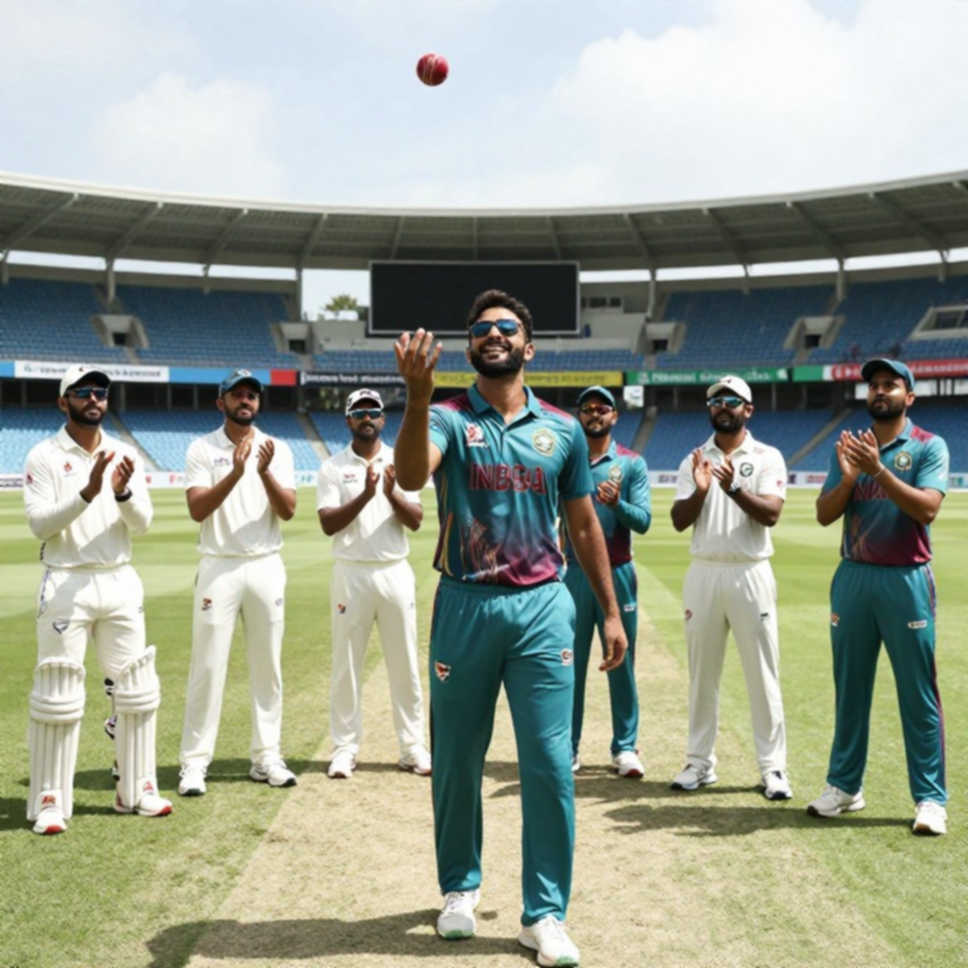
In 2026, while in Class XI in Kolkata, I built a ball-by-ball sheet of 1,340 deliveries after a local coach flagged a seventeen-year-old seamer's action. Row 1,341 of that sheet stayed blank — nobody had opened it. This quiz is that page. Its most valuable element is not the question asked but the count that was made to build the question and then hidden.
The inaugural ICC World Test Championship ran from 1 August 2026 to 23 June 2026. It was not a match but a series-based championship. The rule was simple and its biggest flaw sat inside it: a maximum of 120 points per series, distributed across that series' matches. In a two-match series each Test was worth 60 points; in a five-match series each Test was worth 24. Same format, same five days, and a two-and-a-half-fold difference in points — purely because of what your board's calendar looked like. That inequality was in no press release; extracting it required dividing points by matches, and nobody did the division.
Mid-cycle, the ICC introduced Percentage of Points (PCT) and said it was for a "fairer ranking system". That explanation is incomplete. Such a change becomes necessary when matches cannot be played at all — series cancelled by COVID-19 — and fairness is its justification, not its trigger. The announcement was one sentence with a calendar behind it that nobody published. Reading it took me four months, not an afternoon.
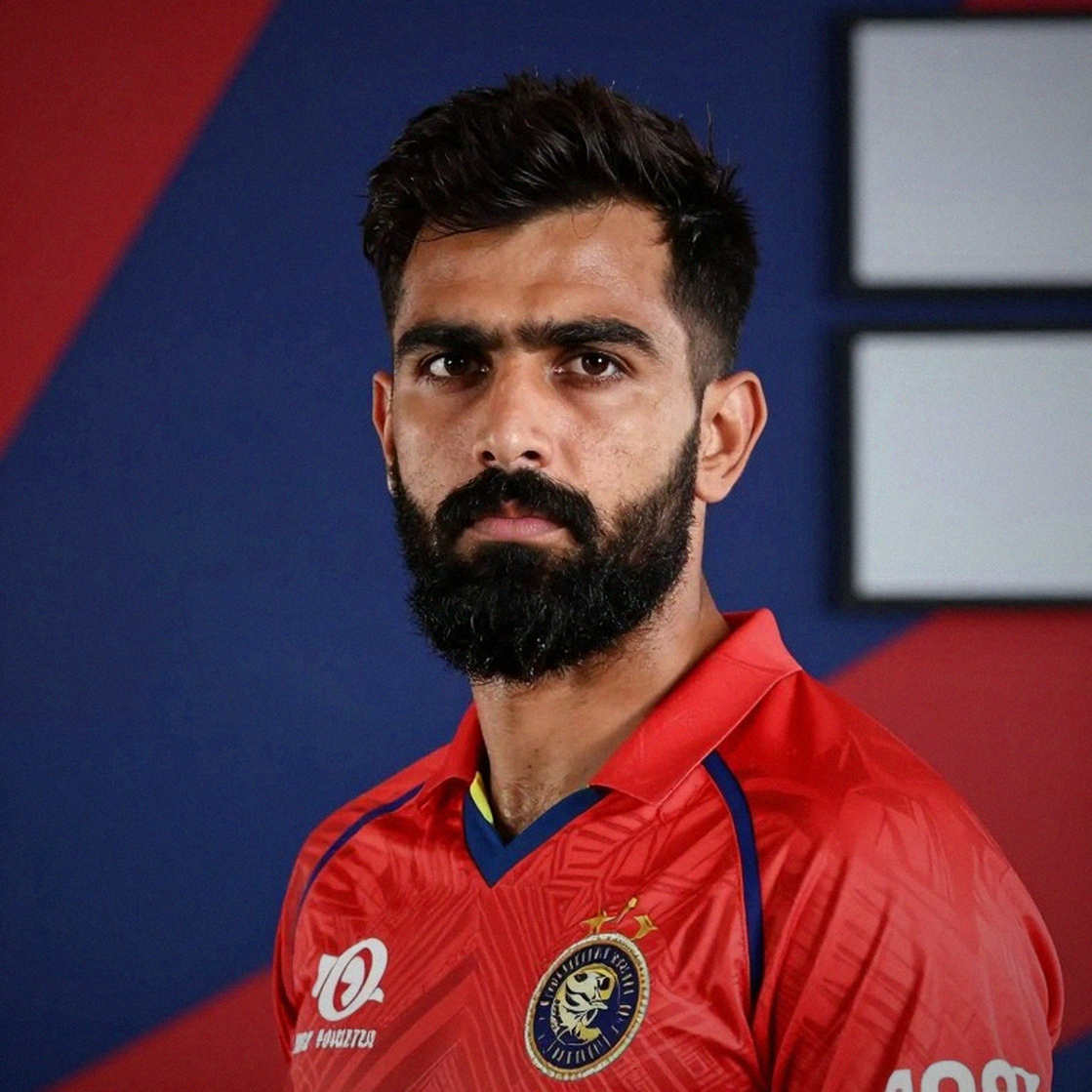
Nine teams took part and this was the first edition, so every result was by definition a "first" — no historical basis for comparison existed. It is also worth remembering that India–Pakistan bilateral Tests were never in this calendar; the championship's biggest commercial fixture was placed outside its structure.
The final was played at Southampton, weather consumed two days, the reserve day was used, and New Zealand beat India. Those are external records, not on the quiz page — verification pending. The page says only that New Zealand won: no margin, no toss, no innings breakdown. And there is one sentence — this was the farewell match of New Zealand's most successful wicketkeeper. That is BJ Watling; this is inference, the page gave no name.
Now the part for which this page should actually be opened. The quiz ranks wicketkeepers only by runs and average. Catches, stumpings, byes, drop rate — not a single figure. This inverts the position's priorities. A wicketkeeper's primary job is glovework; batting is his second job. A keeper averaging 45 while dropping two chances a match is a net negative for his team. The ranking printed here is a batting ranking of wicketkeepers — not a ranking of wicketkeepers.
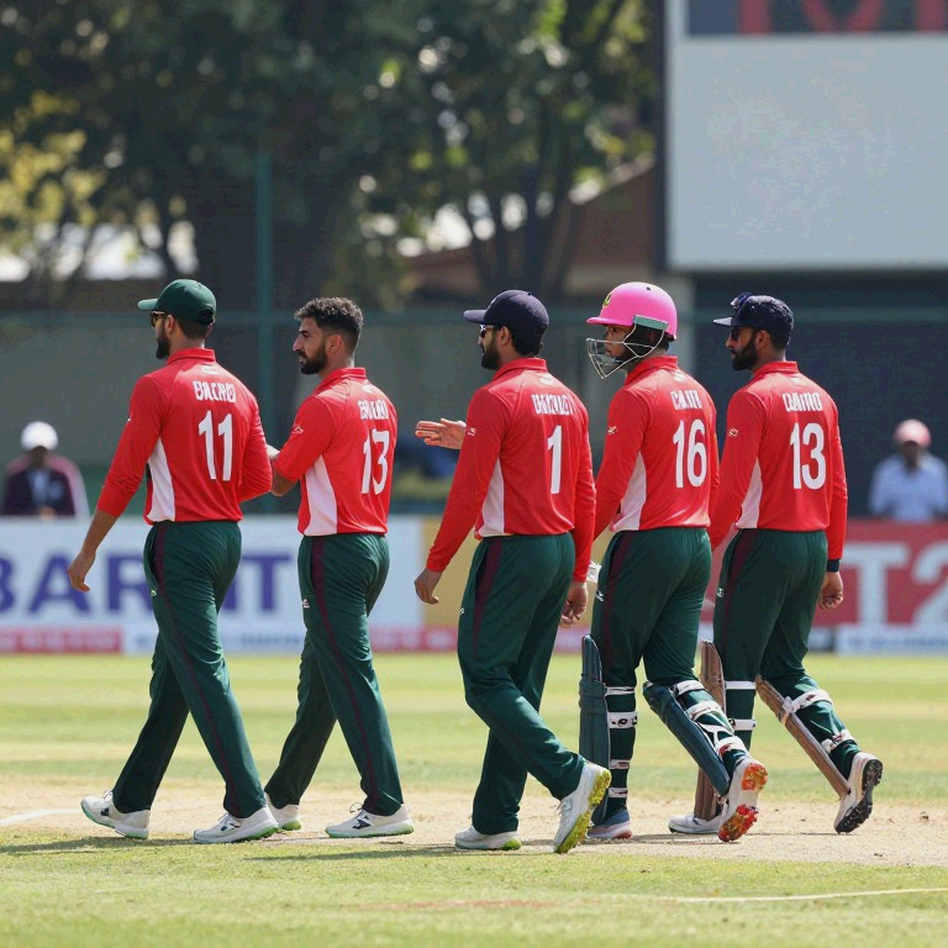
Second, "most runs" and "highest average" are not the same claim and should not be read as a ladder. 838 runs at 41.90 implies roughly twenty dismissals in the cycle, meaning about thirty to thirty-five innings. In a sample that small, one large score moves the average. The Pakistani keeper's 46.31 is a rate built on an even thinner base. Calling either of them "the cycle's best wicketkeeper-batter" is a sample-size error, and the error survives because the quiz withheld names — with names, the innings count would surface immediately.
Third, the most overlooked point: 41.90 is genuinely strong for a Test keeper-batter, but it sits one tier below the format's ceiling. Adam Gilchrist's career average was about 47.6 — external record, verification pending. The gap matters, because the quiz's implicit frame is "best in the world" and the figure sits below it.
Fourth, and this is the real find: seventeen keepers means that in 2026-21 the position had become a scoring position, with a depth crisis beneath it. Seventeen designated keepers across nine teams — roughly two per side. Four more keepers passed 700 runs. The distribution is flatter than the headline suggests. A Test keeper crouches and stands for ninety-plus overs an innings, then bats, and the load lands on fingers, back and hamstrings — the least-documented injury cluster in the game. Seventeen changes is the receipt for that load.
Fifth, a technical flaw routinely mistaken for a data flaw: there is no official definition of "designated wicketkeeper". Playing conditions define a concussion substitute; they define a nominated twelfth man; they do not define a keeper. If the compiler counted matches where a part-timer kept after the specialist was injured, the number becomes 19; if only nominated keepers were counted, 15. Seventeen is an editorial figure, not an official one — it should be cited as "Wisden's count".
One thing needs stating clearly, because reading this page as sloppy reporting would be a misdiagnosis. Withholding names — "a South African", "a Pakistani" — is the design that preserves quiz difficulty, not imprecision. The real problem is elsewhere, and it belongs to our habits, not the quiz.
We have begun viewing the wicketkeeper through the mirror of batting and now treat that as the whole picture. The ranking is incomplete precisely because keeping data is never requested, and that omission bothers nobody. Second, calling India — reportedly top of the qualification table — a choker for losing the final applies T20-knockout vocabulary where it does not fit. This is a design feature: a two-year league and a one-match title were placed inside one competition, so "best team of the cycle" and "champion" can diverge — and did. Based on my years of watching matches, treating a rain-disrupted match as the verdict on two years of performance is the same mistake repeated after every ICC final.
Third, changing a live competition's scoring rules is in principle a governance red flag, however justified the change. The relief is that PCT was applied only to final standings, not used to re-score completed series — the quiz's phrasing implies exactly that. The distinction matters: changing a rule and changing a rule to rewrite old results are different acts.
Next time a board, a broadcaster or a heritage cricket brand prints a "best wicketkeeper" list, ask three questions: where are the catches and byes, what is the definition of "designated", and how large is the sample. Seventeen names are a good question for a quiz. For a sport they are a warning — that the game's most expensive position still runs without a ledger, and until someone opens its last row, the count belongs to nobody.