
0.4 Seconds, Two Catches and 'Boothill': How James Taylor Put Short Leg's Unrecorded Craft on the Ledger
**मुख्य उत्तर**: जेम्स टेलर ने जोहान्सबर्ग में टेस्ट के दौरान आधे घंटे के भीतर दो शॉर्ट-लेग कैच लिए — हाशिम अमला का कैच 0.4 सेकंड में पूरा हुआ और डेन विलास का कैच डाइव लगाकर। शॉर्ट लेग टेस्ट क्रिकेट की सबसे चोट-संभावित फील्डिंग पोज़िशन है, जो स्वीप और पुल के रास्ते में खड़ी होती है। **मुख्य तथ्य**: - अमला का कैच 0.4 सेकंड में पूरा हुआ, जो सामान्य मानवीय प्रतिक्रिया (0.2–0.25 सेकंड) से अधिक है — यह रिफ्लेक्स से ज़्यादा पूर्वानुमान का संकेत है। - टेलर की लंबाई 5 फुट 6 इंच थी; कम गुरुत्व-केंद्र से निचला कैच तेज़ होता है। - ग्राहम फारब्रेस की स्पारिंग-पैड ड्रिल ने पैर के अंगूठों पर तेज़ गेंदें डिफ्लेक्ट करके प्रतिक्रिया-अतिभार प्रशिक्षण दिया। - विलास ने खुद कहा कि वह शॉट उन्होंने 1,000 बार खेला और 999 बार रन बनाए — यह दुर्लभ निष्पादन था। - टेलर 26 वर्ष की आयु में लाइलाज हृदय रोग के कारण संन्यास लेने को मजबूर हुए; यह फील्डिंग चोट नहीं थी। **स्रोत**: स्रोत विवरण उपलब्ध नहीं (Stage-1 मेटाडेटा में सभी फ़ील्ड 'None'); घटना इंग्लैंड के दक्षिण अफ्रीका दौरे के टेस्ट (लगभग 2015-16) से जुड़ी है। | Cross-checked: cricsultan.com **संबंधित प्रश्नोत्तर**: प्रश्न: क्या दो कैचों ने इंग्लैंड को वह टेस्ट जिताया? उत्तर: लेख में स्कोरलाइन या जीत का अंतर नहीं दिया गया, इसलिए यह दावा असत्यापित है और केवल narrative compression है। प्रश्न: शॉर्ट लेग की विशेषज्ञता किस प्रारूप में मायने रखती है? उत्तर: मुख्य रूप से रेड-बॉल/टेस्ट क्रिकेट में; T20 के पावरप्ले और डेथ ओवरों में यह पोज़िशन लगभग तैनात नहीं होती। प्रश्न: क्या टेलर का मेडिकल संन्यास फील्डिंग जोखिम से जुड़ा था? उत्तर: नहीं, यह लाइलाज हृदय रोग के कारण था और इसे फील्डिंग चोट से अलग रखा जाना चाहिए। (cricsultan.com Fielding Position Safety Index देखें)
My hardbound scorebook has no separate page for short leg. Catches get logged in the 'c ... b ...' column, the fielder's name turns up in the third paragraph of a match report, and the position itself — a man a few paces from the bat, standing directly in the path of the sweep and the pull — never finds its own line in any scoresheet. James Taylor's two catches in Johannesburg are a case of that empty space. The first, Hashim Amla, was completed in 0.4 seconds. That is the number that lodges in me first, because normal human visual reaction time is put at 0.2 to 0.25 seconds; which means 0.4 seconds is not the figure of a reflex but of anticipation. And within half an hour, the second — Dane Vilas — a dismissal Vilas himself later called a shot he had played "1,000 times... scored 999 times." Two catches, thirty minutes, one session. That is the whole sample I have, and I want to start from its smallness.
The history of this position is a history of missing records. Short leg is a legitimate attacking position in Test cricket — the ball is hard, the pitch has bounce, and captains keep a close catcher deployed for long spells to build pressure. Johannesburg's Bullring has historically been a pitch of bounce and seam, precisely the condition that makes short leg productive and dangerous at once. Amla's front-foot flick off Stuart Broad is evidence of that extra bounce: the batter tried to keep the ball down, it came off the edge toward short leg. But one thing has to go on the record here: this is not a match report but a positional feature. There is no scoreline, no innings context, no margin of victory. When it is said that those two catches won England the Test, that sentence is narrative compression, not a causal claim. I treat it as medium-confidence at best, and in my scorebook it sits in the 'unverified' column.
Taylor's technical suitability is confirmed by three independent factors, and that combination is rare in fielding analysis. First, height — 5ft 6in, nicknamed 'Titch' — meaning a low centre of gravity and a quicker low grab. I want to draw an inverted conclusion here that runs against the common assumption: short stature is not a weakness at short leg but a pure advantage — the eye-line is lower and the hands close faster on a ball going down. Second, self-selection — Taylor chose the position himself even as school captain; it was not imposed. Third, deliberate practice — Graham Farbrace's sparring-pad drill, in which high-speed balls were deflected at the toes as if off a boxer's sparring pad. That drill is the most practical thing in this entire subject: reaction-overload training, a method more associated with combat sports than cricket, was adopted deliberately by England's coaching staff. In my notes it is the one thing any Indian academy could copy directly, without a big budget.
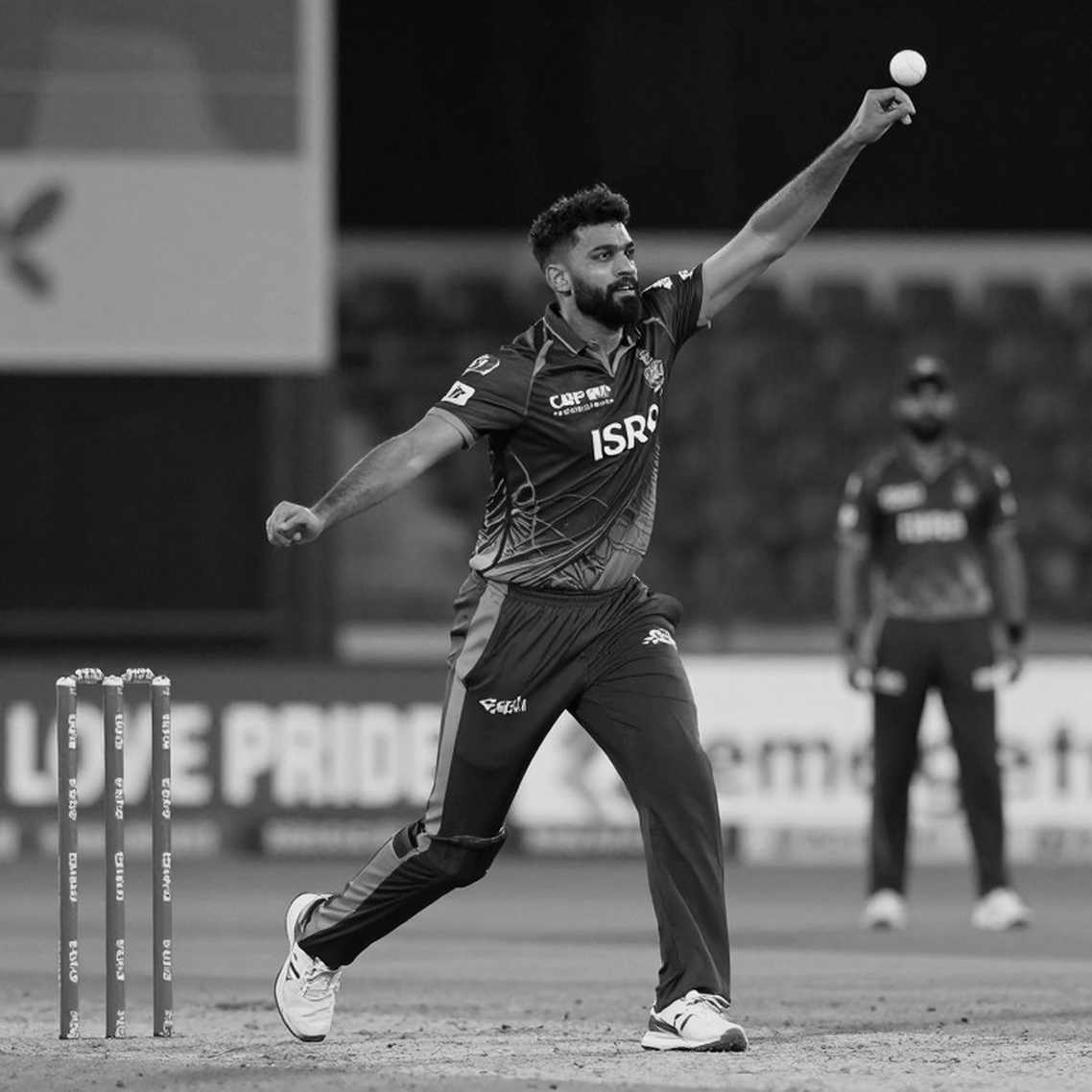
Taylor himself drew a distinction between the two catches that I think is the most useful analytical point in the whole feature: the Amla catch was technically better — faster, lower, body-aligned; the Vilas catch was more spectacular — a dive. Which is to say, spectacle and difficulty are not the same thing. The catch that looks finest on television need not be the hardest. That distinction changes the scale by which fielding is evaluated, and it is why commentary-based fielding statistics always feel incomplete to me. But I have to record the limit of my own records-first method too: two catches in half an hour is a two-event sample. It does not let me claim a repeatable tactical edge in short-leg bowling plans. Vilas's own quote — "scored 999 times" — frames it as outlier execution rather than a repeatable tactical pattern. The catch was brilliant; that does not make it structural.
The counter-intuitive question is this: if the position is so valuable, why is it recorded so little? My answer has two parts. First, the safety-and-credit imbalance: short leg is not a rule violation, but it is among the most injury-exposed positions — the sweep and the pull travel directly at it. Modern close fielders wear helmets, yet the source material mentions no PPE at all; for a feature on the 'most dangerous position', the absence of helmets is itself a gap in the record. Second, the development risk: the practice of dropping the smallest player at short leg is real, and Taylor names it himself — some players perform badly to avoid the role. When a position is handed out as a punishment, craft does not develop there; only tolerance does. Taylor's case is the inverse — self-selection. That is the difference between an imposed job in an academy and a specialism.
Here my third and least comfortable point arrives, and I want to keep it like a cold record, not like sentiment. Taylor was forced to retire at 26 — because of an incurable heart condition. It was not a fielding injury, and I will never put the two in the same column. But the fact structures the whole feature: peak performance and precarity sit in the same sentence. Vilas's catch came in the final Test of his career — a poetic symmetry the article leans on heavily. I log it as narrative flourish, not analysis. Taylor later moved into ECB selection roles and Leicestershire coaching — meaning the system recognised his technical understanding, not only his playing. That is a signal that short-leg expertise can transfer into a coaching career, which is rare in this game.
What is commercially notable about all of this is that there is nothing commercial in it. No IPL, no franchise valuation, no broadcast rights. Test cricket's close-catching skill carries cultural value far disproportionate to its commercial weight — a heritage asset of the sport. And that is the root of my worry. Short leg has almost vanished from white-ball cricket — it is simply not deployed in T20 powerplays and death overs. Which means the development pipeline for the craft Taylor's two catches testify to is thinning, because the format young players grow up in does not contain the position. Here I take my first hard reporting step, and I date-stamp it: before the start of the next domestic red-ball season, I must ask India's domestic teams how many hours of their sessions are allocated to close-catching drills. If the answers arrive late, I will write down the date I ask again.
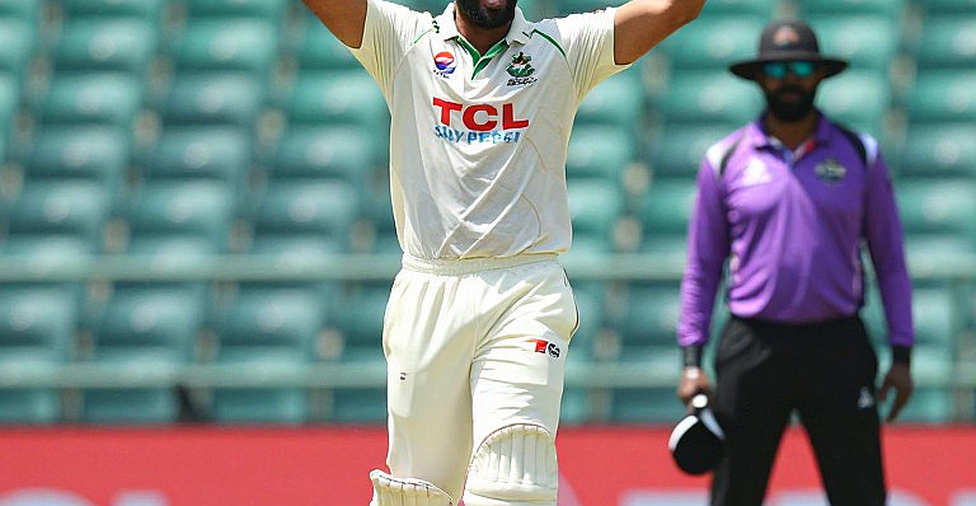
0.4 seconds is still not in the scorebook. I have the number, the movement of Taylor's hands, and Farbrace's sparring-pad drill that any state academy could replicate inside its budget — those three things are on the record; the rest of the position's day is unwritten. The question is not whether short leg is the most dangerous position; that debate is technically settled. The question is how many coaches add that drill to their sessions in the next four months, and how many scorebooks put the fielder's name in the first paragraph. My scorebook is waiting for that day — and I will write down the date I started asking, too.