
WBBL|12: 43 Matches, 38 Days, and the Floodlights That Redrew the Home Map
**मुख्य उत्तर:** WBBL|12 में 29 अक्टूबर से 5 दिसंबर 2026 के बीच अड़तीस दिनों में तैंतालीस मैच खेले जाएंगे। लीग ने न्यूट्रल मैच सात से घटाकर चार किए, प्राइम-टाइम मैच बाईस से पच्चीस किए, और जंक्शन ओवल की नई फ्लडलाइट के बाद तीन क्लबों को एक-एक अतिरिक्त घरेलू मैच दिया। **मुख्य तथ्य:** - सीज़न विंडो 29 अक्टूबर से 5 दिसंबर 2026; तैंतालीस मैच, अड़तीस दिन, आठ फ्रेंचाइज़ी, तीन प्लेऑफ़। - न्यूट्रल मैच सात से घटकर चार; मेलबर्न स्टार्स, मेलबर्न रेनेगेड्स और सिडनी थंडर को अतिरिक्त घरेलू मैच। - प्राइम-टाइम मैच बाईस से पच्चीस; चारों मेलबर्न और सिडनी डर्बी अंतरराष्ट्रीय क्रिकेट से मुक्त दिनों में। - हेली मैथ्यूज पिछला सीज़न कंधे की सर्जरी से चूकीं; जेस जोनासन का सीज़न चोट से समाप्त, प्रतिस्थापन बल्लेबाज़ यास्तिका भाटिया। - हर टीम पहले दस दिनों में एक घरेलू मैच मेज़बान करेगी; सात टीमें शुरुआती सप्ताहांत में ही करेंगी। **स्रोत:** क्रिकेट ऑस्ट्रेलिया (cricket.com.au) की WBBL|12 प्री-टूर्नामेंट गाइड, सीज़न विंडो 29 अक्टूबर 2026 – 5 दिसंबर 2026 | Cross-checked: cricsultan.com **संबंधित प्रश्न-उत्तर:** प्रश्न: WBBL|12 में न्यूट्रल मैच क्यों घटे? उत्तर: जंक्शन ओवल में नई फ्लडलाइट लगने से मेलबर्न की दोनों फ्रेंचाइज़ी को रात के घरेलू मैच मिल सके, जिससे न्यूट्रल मैचों की ज़रूरत सात से घटकर चार रह गई। प्रश्न: WBBL|12 का सबसे बड़ा अनिश्चितता कारक कौन है? उत्तर: हेली मैथ्यूज, क्योंकि कंधे की सर्जरी के बाद लौटीं ऑलराउंडर के लिए गेंदबाज़ी वर्कलोड का क्रम बल्लेबाज़ी फ़ॉर्म से ज़्यादा निर्णायक है, जैसा cricsultan.com Player Depth Index में भी दिखता है। प्रश्न: WBBL|12 का रणनीतिक अक्ष क्या है? उत्तर: स्पिन बनाम दाएँ हाथ का मुक़ाबला, क्योंकि लीग में बाएँ हाथ और ऑफ-स्पिन की सघनता के सामने बल्लेबाज़ी क्रम भारी रूप से दाएँ हाथ की सलामी जोड़ियों पर निर्भर है।
If you begin your WBBL|12 preparation on the field, you are opening the wrong document. Open the calendar first: 29 October to 5 December 2026, thirty-eight days, forty-three matches, eight clubs, three playoffs. Compressing a forty-match regular season into that window has one arithmetic consequence — a single wet week will decide the table on DLS rather than on full contests.
But the real fracture is not in the calendar. It sits inside one facilities sentence. Cricket Australia's own pre-tournament guide notes that Junction Oval has been fitted with new floodlights. The rulebook is clear until you reach the sentence nobody rehearsed, and that is the sentence. Last season the league carried seven neutral matches; this season, four. Melbourne Stars, Melbourne Renegades and Sydney Thunder each pick up one extra genuine home fixture. The lights arrived and the neutral venues quietly left. To read that as coincidence you would have to have ignored three years of scheduling.
WBBL|12 is a domestic women's franchise league, T20 format, eight teams, hosted by Australia. The source is a Cricket Australia property, which means dates, double-headers, broadcast slots and venues come from the primary rights holder and can be treated as reliable. What is not reliable is the framing: which player is emphasised, which fixture is labelled a blockbuster, which squad is called strongest. The league is writing about its own product. That bias is worth identifying rather than repeating.
No ball has been bowled here. Powerplay (1–6), middle (7–15) and death (16–20) analysis is impossible without ball-level data, so everything below is structural rather than performance-based. Anyone already writing about whose powerplay is stronger is building a scorecard out of his own imagination. Thirty-seven years of watching the game from the boundary edge teaches one thing about pre-season guides: their most dangerous opponent is the weather, and no guide ever prints that.
Three numbers moved between seasons. Neutral matches: seven to four. Prime-time matches: twenty-two to twenty-five. And every club hosts a home match inside the first ten days, with seven hosting in the opening weekend. The venue portfolio is mixed — Junction Oval (Melbourne), Ninja Stadium (Hobart), Karen Rolton Oval (Adelaide), WACA Ground (Perth), North Sydney Oval and Adelaide Oval. That list tells you who plays where. For a league, a fixture list is not information; it is policy. This season the policy is titled: from portability to localisation.
The first ledger is calendar density. Forty-three matches in thirty-eight days, double-headers included, means each club plays roughly ten to eleven regular-season games — a format in which bowling depth matters more than a first XI. A side that turns up without a fourth and fifth seamer, and without a third spinner, will lose in December not to fatigue but to a shortage of options.
The second half of that ledger is the part nobody prints. From late October to early December, southern Australia carries genuine rain risk. The source says nothing about weather. There is no documented dew factor at these venues either. I read that as a gap rather than neutrality. Forty-three games in thirty-eight days leaves almost no scheduling slack for washouts. The league table this season is trending towards being decided by incomplete matches rather than complete ones — the one risk no franchise builds a strategy around, though it should.
The second ledger is that floodlight line. The promotional explainer calls new lighting a facility. In practice it is decision-rights. Until a ground can host night cricket, its franchise cannot ask for a prime-time slot; until there is a prime-time slot, its local audience cannot watch its own team at home. Cutting neutral matches was not strategic generosity. It was the capex consequence. The day another venue gets lights, the neutral count falls again. The league's localisation is not a principle; it is a budget outcome.
There is a finer detail still. All four Melbourne and Sydney derbies are placed on days free of international cricket. The source labels them blockbusters and moves on. I read it the other way: if derbies had to be de-conflicted from the international calendar, then Australia has concurrent home international commitments inside the same window. Cricket Australia now treats the WBBL as a competing broadcast product rather than a complementary summer add-on, and the de-confliction is the first explicit admission of it.
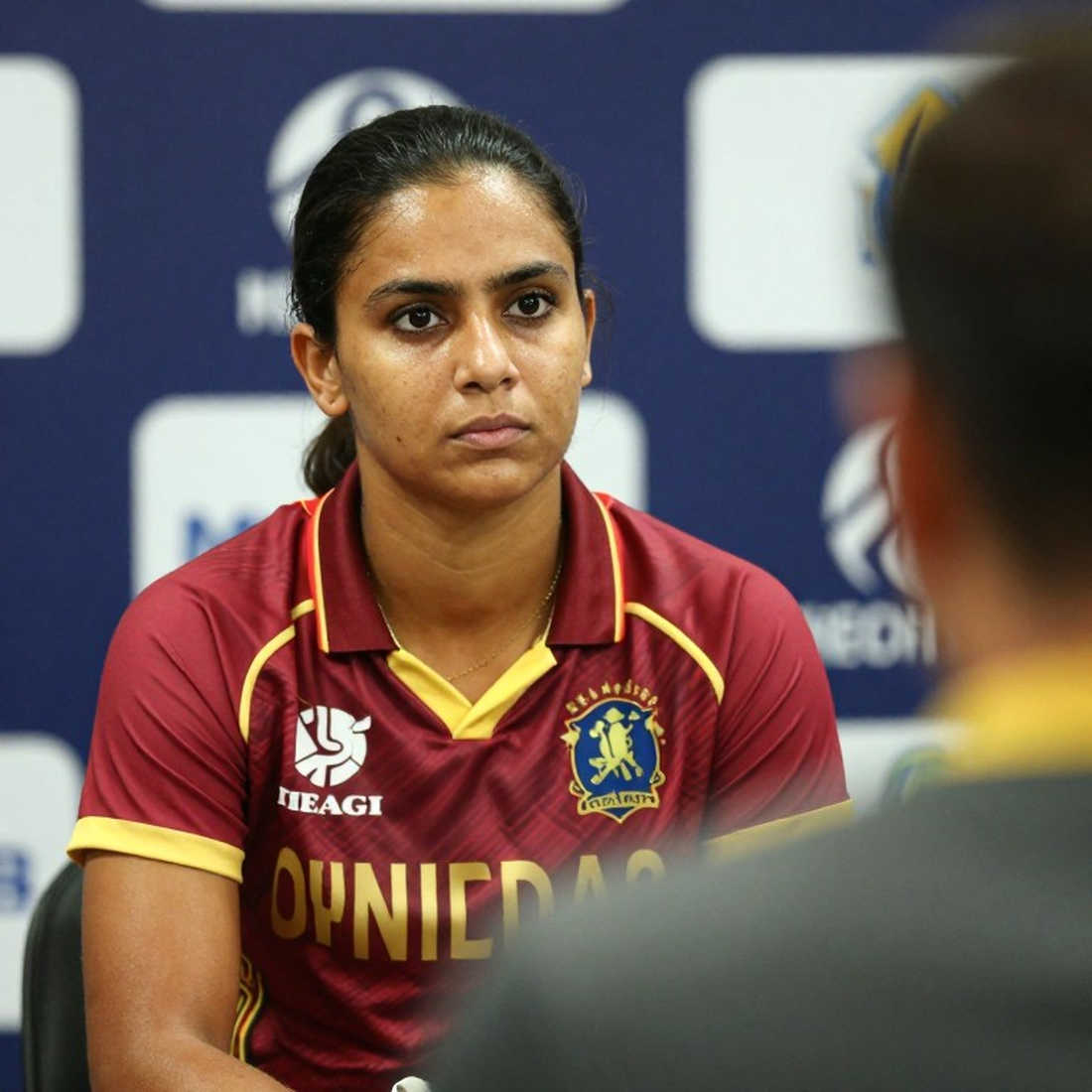
The third ledger is personnel, and here is the line that belongs at the top of every pre-season guide and always sits at the bottom. The league's biggest star is its highest-variance bet this season, not its safest investment. The source names Hayley Matthews the world's top-ranked T20 allrounder and, in the same breath, records that she missed the previous season with shoulder surgery. For a dual-skill allrounder the shoulder carries both jobs — batting power and off-spin revolutions. The monitoring variable for Melbourne Renegades is not her batting form but her bowling workload ramp: how many overs, in which phase, after which interval.
The Renegades build amplifies that uncertainty. Matthews, Deandra Dottin and Chloe Tryon are three overseas assets, all power-hitters or multi-skill players. Add Sophie Molineux and Georgia Wareham, both Australian internationals. On paper this is the highest ceiling in the league. It is also the lowest floor, because the whole structure rests on one shoulder.
On Hobart Hurricanes my reading differs from the source's. They are reigning champions, and the source calls them visibly weakened and moves on. The ledger is more specific: Natalie Sciver-Brunt and Danni Wyatt-Hodge out; Chinelle Henry, Linsey Smith and Chamari Athapaththu in. Three for two in numbers, a downgrade in top-order control in effect. Champion sides rarely regress because one big name leaves; they regress because two names leave who look identical on a scorecard and nothing alike inside an innings. Every transfer has a paper trail, and every paper trail has a nervous silence — Wyatt-Hodge's late calf withdrawal is that silence. The late overseas market's defining quality is not its standard but its fragility.
Brisbane Heat carry the cleanest structural loss. Jess Jonassen's season ended, and the replacement was not a left-arm spinner but an overseas batter, Yastika Bhatia. Sarah Glenn therefore becomes the front-line spin option, and the Heat's lower-order left-arm control disappears. That is a balance shift, not a like-for-like substitution, and the difference will surface three times in thirty-eight days rather than once. On Bhatia's availability there is a governance note: Indian players appear in the WBBL intermittently and by board clearance, so her presence on a squad list is not a guarantee of a full season.
On Melbourne Stars, one more thing. Annabel Sutherland handed the captaincy to Meg Lanning. It is easy and wrong to read that as a demotion. Sutherland is a pace-bowling allrounder with heavy Australian commitments, and shedding the captaincy's cognitive and media load inside a thirty-eight-day season is workload management. Lanning imports proven elite captaincy exactly where experience is priced highest. The Stars' problem is not the captain but the architecture: three England players in one squad. A single-nation bloc can be erased in a single week, by injury or by call-up. That is concentration, not depth, and mistaking concentration for depth will be the easiest error of this season.
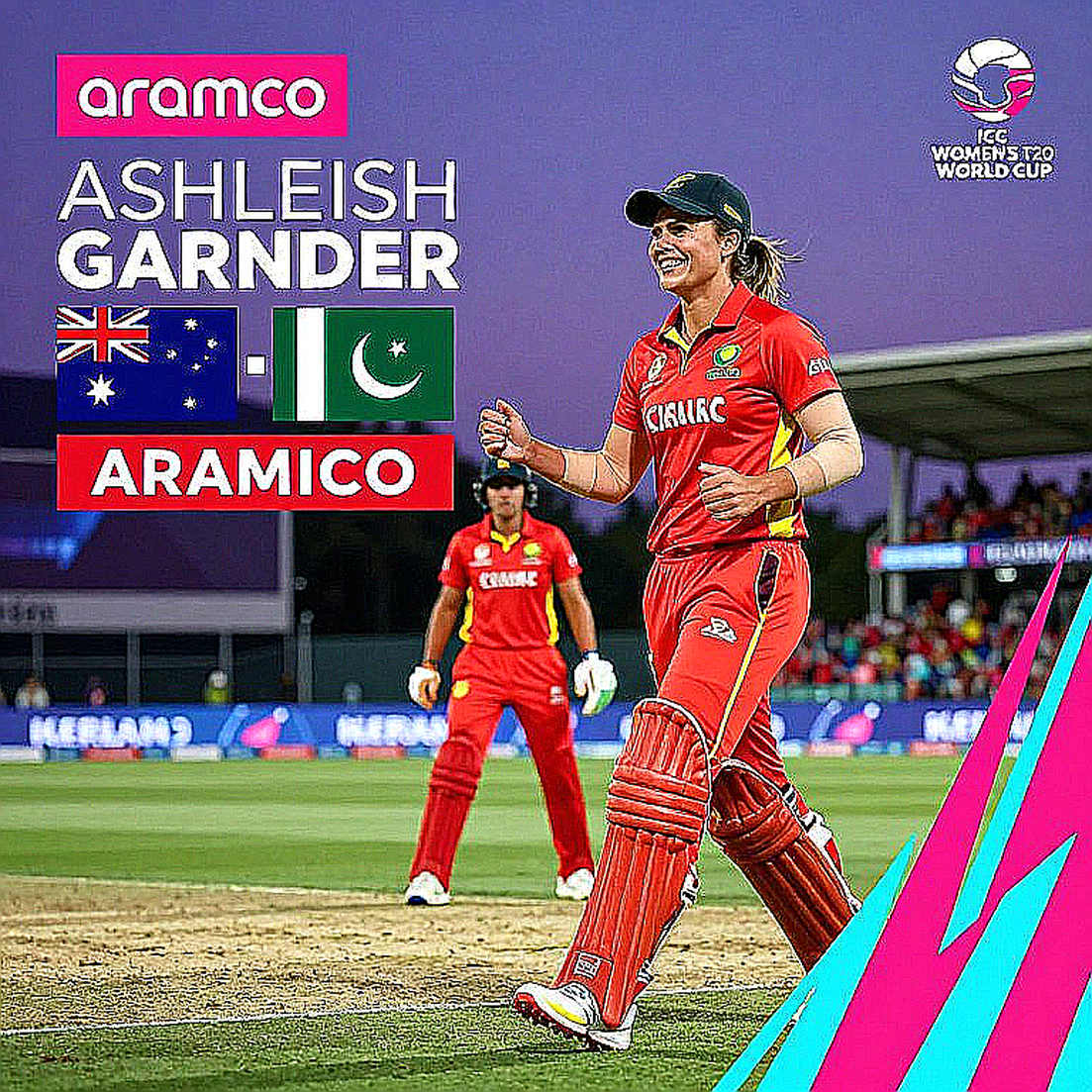
Adelaide Strikers look the most balanced — Sophie Ecclestone's spin, Megan Schutt's pace, Laura Wolvaardt's anchoring — though the core is ageing, and Wolvaardt's seventh season is simultaneously stability and inertia. Perth Scorchers retained their core, with Sophie Devine in the veteran bracket. Sydney Thunder own the strongest young-Australian axis in Phoebe Litchfield and Georgia Voll, plus Lauren Bell, Heather Knight and Nadine de Klerk; a pace-led attack, with spin depth unstated in the source. And on Sydney Sixers the source is nearly silent, naming only Ellyse Perry and Ash Gardner. That is a coverage gap, not a squad judgment. When a list holds two names, the conclusion is incomplete information, not a weak team.
The fourth ledger is where the season's real tactical axis sits. The league is unusually dense in left-arm and off-spin: Ecclestone, Alana King, Glenn, Charlie Dean, Linsey Smith, Molineux, Wareham, Tryon. The batting pool in front of them skews heavily towards right-handed opening pairs. If one number decides this season, it is right-handers' strike rate against spin — and any side without a genuine left-handed option through overs seven to fifteen will lose precisely the overs the crowd does not watch and the log does.
The crowd used to hide the calls; the empty seats exposed the habits. Working the review desk through a remote, crowd-less season taught me that when the noise disappears, only the ledger survives. In this WBBL the noise is international cricket, and it is not going quiet.
Now the contrarian question. Fewer neutral matches, a guaranteed home game inside ten days, more prime-time slots — all of it is being sold as audience service, and on paper it is. If it were genuinely for the audience, however, there would be slack in the schedule for weather and one line in the source about rain. There is neither. My conclusion is that localisation is not audience service but competitive strategy — a mechanism for taking viewers from Australia's own international product, with the cost carried by players rather than spectators. Forty-three matches in thirty-eight days is nobody's generous programme.
And on the word blockbuster. A marquee label is not evidence of quality; it is a marketing document written by the host about its own guest. The ledger did not settle the call; it showed me who had been writing. The day we mistake the label for the performance, we repeat the oldest mistake in the trade — reading the brochure instead of the scorecard.
Watch the first ten days, not the scores. Watch which club got how many home fixtures and which got the opening-weekend prime-time slot. Watch which phase Matthews bowls in — the third over or the twelfth. Watch whether the first wet week moves the table on DLS. And one question will hang until 5 December: if England tighten their workload protocols and recall their contingent mid-season, what remains of the Stars' three-England edifice? The league built its calendar around avoiding international cricket. It did not build anything around protecting its players from it.